
This morning, I came across a video on LinkedIn by Gary Simon talking about design trends for 2026. In his video, he was encouraging designers to step out of their Figma silos and learn some coding – HTML, CSS, JavaScript.
My first reaction? “FINALLY.”
My second reaction? “Wait, why does this feel like I’m traveling back in time? 🤷♂️”
Here’s the thing about being a pioneer that nobody really talks about: you don’t get to celebrate being right when the world catches up. You just get this weird sense of déjà vu mixed with relief that you’re finally not alone anymore.
And this is not even the first time that I’ve felt this way. I had a very similar experience back in 2015/16 as well. Once, you can call it coincidence. But twice, now, that we all know is a pattern.
The Pattern I’ve Lived For 20 Years
Since 2006, I’ve been combining UX design with engineering. Not because I thought it would make me special. Not because I was trying to be better than anyone else. I just saw a gap that needed bridging and started building across it.
I invented breadcrumb navigation. Created early versions of step indicators, accordions, form wizards. Pioneered what would eventually be called UX/Design Engineering or Design Engineering – combining both disciplines into a single integrated practice.
For years, I was called radical. Extreme. Too far ahead. My ideas were dismissed because they didn’t fit the established categories. Designers design. Developers develop. Why would anyone need to do both?
But I wasn’t trying to break rules or prove anyone wrong. I was just solving problems the way they needed to be solved – with understanding of both the design intent AND the technical implementation.
Being Ahead Isn’t the Same as Being Better
There’s a fundamental difference that gets lost in conversations about innovation:
Being better than others = claiming superiority
Being ahead of others = operating on a different timeline
I never set out to be better than other designers or developers. I just happened to see patterns earlier. I connected dots that wouldn’t become obvious to others until AI forced the industry to reckon with the gaps between design and development. As a matter of fact, the whole reason I started UX/Design Engineering is because I needed a way to feel whole (rather than constantly cutting parts of myself off just to fit into the labels that the industry has assigned for us).
When you’re ahead, you’re not competing with your peers. You’re exploring territory they haven’t reached yet. You’re mapping paths they’ll eventually walk. You’re asking questions they haven’t thought to ask.
And here’s the hard truth about that: it’s lonely.
The Cost of Being First
For 20 years, I’ve worked mostly in isolation. Not because I wanted to be alone, but because there was nobody else doing what I was doing. Nobody else combining the disciplines. Nobody else bridging the gap.
I was rejected by the local design industry. Called an outsider. Told my methods were too unconventional. Watched opportunities go to people doing work that felt surface-level compared to the foundations I was building.
And now? Now the industry is catching up. Now people are writing articles about “the gap between design and development.” Now YouTube creators are telling designers to learn code. Now companies like Google and OKX are hiring for Design Engineering roles.
Now everyone is beginning to see what I’ve been seeing since 2006.
The Silver Lining
This morning, sitting at the food court with my cup of ginger tea, while letting all of this sink in, I realized something:
I’m not as alone anymore.
For the first time in 20 years, I’m watching the industry move in the direction I’ve been walking all along. Other people are also beginning to enter into the territory I’ve been mapping alone. The conversations I’ve been having with myself are finally happening publicly.
And that feels… good. Validating. Like maybe all those years of being called crazy actually meant something.
But here’s what I also know: by the time they arrive at where I was in 2006, I’ll already be mapping 2030 and beyond. That’s just the nature of the beast. That’s what it means to be a pioneer.
You’re always ahead. You’re always alone. You’re always waiting for the world to catch up while you’re already exploring the next horizon.
What This Means Going Forward
I’m not interested in proving I was right. The work that I have done already speaks for itself a thousand times over. Billions of daily interactions with the visual indicators I pioneered. An entire field of UX/Design Engineering that’s finally being recognized.
What I’m interested in now is this:
Making sure the next generation of pioneers doesn’t have to spend 20 years alone.
That’s why I’m working on my next digital masterpiece. That’s why I’m mentoring rising stars. That’s why I keep showing up and sharing my thinking even when it makes people uncomfortable.
Because I know what it’s like to be ahead. I know what it costs. And I know that the best thing I can do with that experience is create space for others who see patterns before the industry is ready for them.
The Explorer at Sunrise
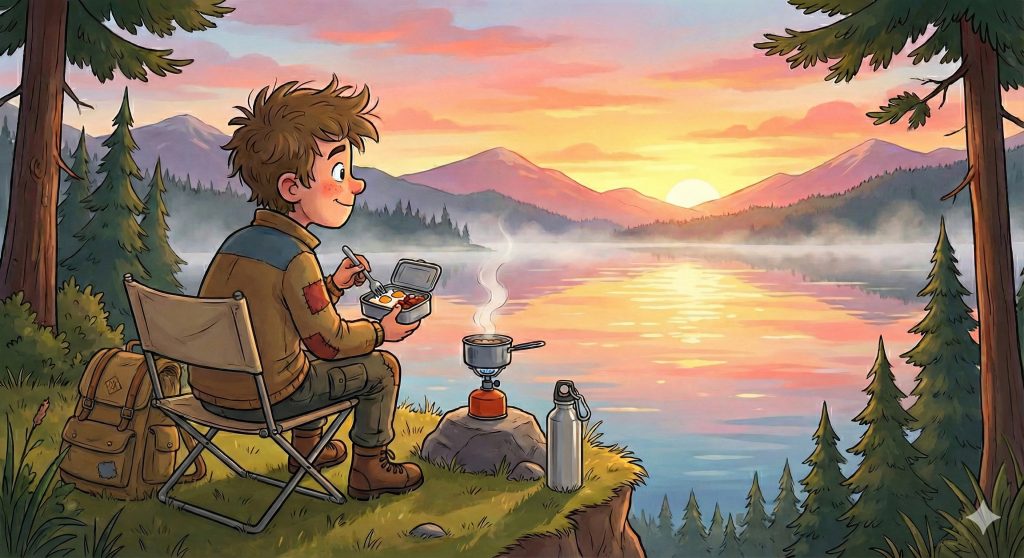
There’s an image in my mind this morning that captures how I’m feeling today:
A young explorer sitting at the edge of a lake. He’s cooked a simple breakfast over a small fire. The sun is just rising. He’s watching it quietly, appreciating the moment, knowing he arrived here first but also knowing others will come eventually.
He’s not better than the people who will arrive later. He just happened to wake up earlier and start walking before dawn.
That’s been my life for 20 years.
And you know what? I’m okay with that now.
Because the sunrise is beautiful whether you’re watching it alone or with others. And eventually, if you wait long enough and keep showing up, other people start arriving to watch it with you.
 Danny's
Leave a comment