I’ve had this idea to write something on this topic for the last couple of days, but for some reason, I decided to wait. Maybe I was procrastinating. Or maybe I was just hoping to find the right timing when I could gather the right words and ideas together.
When it comes to managing our own individual mental health challenges, it’s important that we first acknowledge that every single one of our situations can be very different. And because of those differences, not all of the suggested coping mechanisms might work best for each of us. Speaking as someone that has spent a majority of my life speaking to different psychiatrists, and counselors, I think my “experience” in this area speaks for itself.
Over many years of my life, I have been introduced to many different forms of coping mechanisms for my chronic anxiety disorders. I’ve tried many different methods and frankly, not all of them worked out. While some worked out fairly well, there were others that worked even better for me personally. So here’s my own list of coping mechanisms that I’ve been using for the last few years that have worked really well.
1. Daily Walks
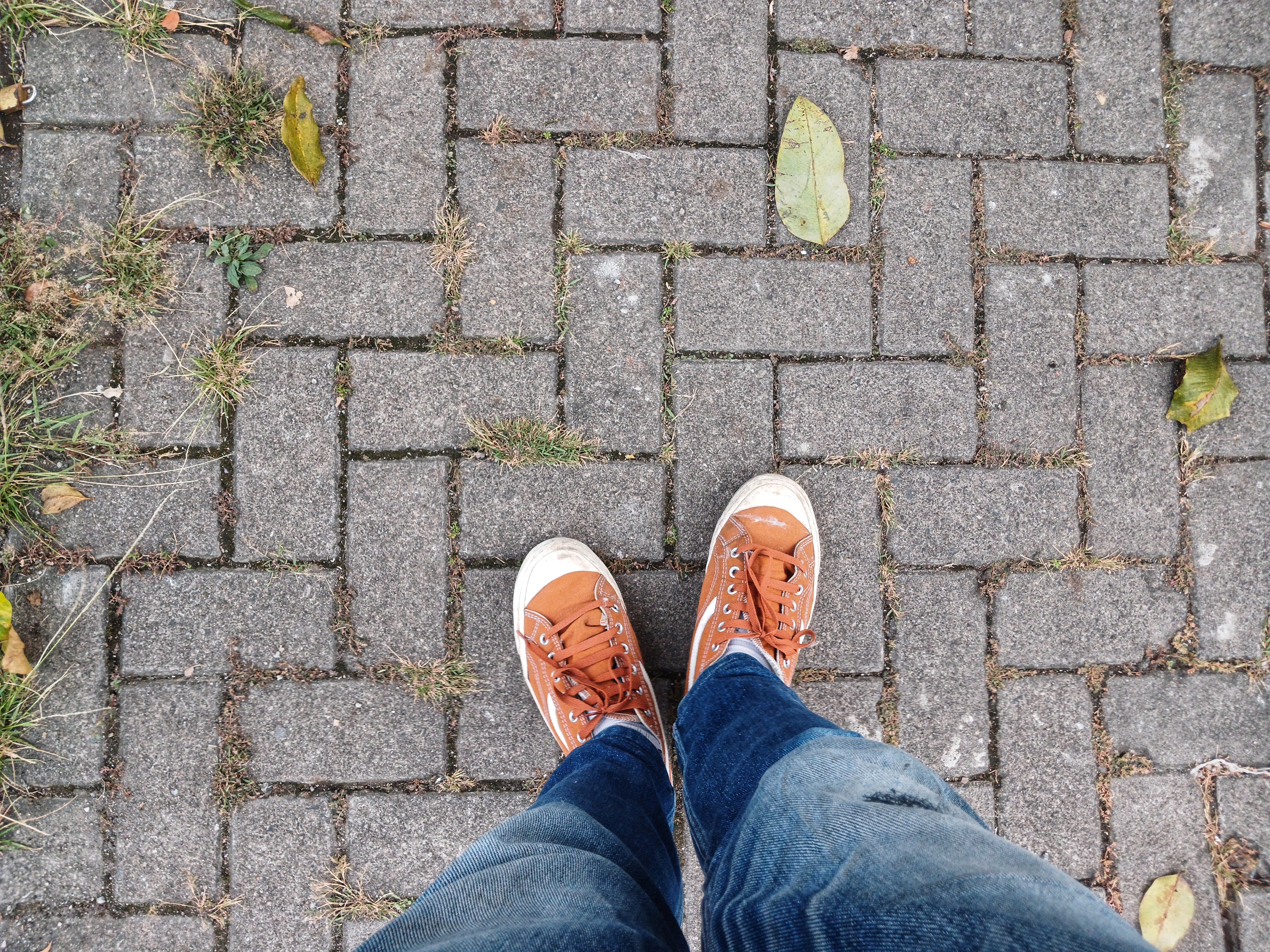
Just in the last couple of years, I’ve discovered that one of the best ways to help cope with my anxiety was during my daily walks. Think of it as part of my daily commutes. At the time of writing this, my home is within walking distance to the nearby train station. It’s about a 25 min walk, 30 min if I choose to take my time. Usually, I would prefer to walk up earlier so that I could take advantage of the cooler morning weather to walk. In Singapore, in recent months and years, the weather has become much hotter, so yeah, I do need to get up at least an hour earlier each morning if I want to walk to the station. In the evenings, I would usually do the same thing too (unless it is raining heavily).
A Chance to Disconnect
Another reason why I’ve come to enjoy and appreciate these daily walks/commutes is because it provides me with a chance to disconnect from my devices. It is the only time during the day where I have to leave my devices in my bags, so it won’t be convenient for me to be scrolling on Instagram or LinkedIn while I am walking, so that’s good.
Do-Not-Disturb mode
The other thing that I also do which helps me to manage my mild ADHD is time blocks. There are blocks of time that I would disable my notifications, so even though I am wearing a smart watch, the notifications would not disrupt my walking time. I would usually time my daily walks around the end of a time block (say 6:30 to 7pm). That is usually when I would be walking home from the nearby train station.
2. Deep-breathing Exercises
The other thing that I would often do on a daily basis (sometimes, multiple times a day), is my deep-breathing exercises. I would do it in the shower, I would do it when I’m sitting at my desk, I would do it when I’m at the library or when I’m at work. I will do it anywhere. The good thing about adding this to my daily routine is because I can do it anywhere and at any time of the day.
I would usually take a deep breath in, hold it for about a second or two, and then I would let it out through my mouth. While I am breathing out, I would also make sure that my shoulders are dropped (relaxed). I would do this 5~6 times if I need to (depending on the circumstances). I’ve found these deep-breathing exercises to be really effective when it comes to managing my anxiety levels. It’s often a really great way to release the tension that I’m feeling at that moment in time.
3. Drinking Chamomile Tea (before bedtime)

Ever since I’ve started working full-time and studying part-time last year, I’ve discovered that my anxiety levels have increased. One of those signs/symptoms for me is usually insomnia. I would lay in bed, toss and turn all night and struggle to fall asleep. It’s like my body wants to shut off but my mind is still having thoughts, racing a hundred miles a minute. And then I would often find myself feeling super exhausted the next morning.
So, I decided to try something that hadn’t quite worked in the past – drinking chamomile tea before bed. This coping mechanism was introduced to me years ago when I still went for professional therapy sessions. I tried it then, but it didn’t work as well at that time. But now, it has been especially helpful when I am seriously trying to shut off my mind at night.
I would usually let the tea bag sip for 3~4 minutes. But on days where my anxiety is worser, I would let it sip for an extra minute. It helps to increase the concentration. I usually drink it like 30 minutes before bed for it to take effect.
So far, this method has been really helpful.
4. Reducing my Caffeine Dependence

One of the main contributors to my growing anxiety in recent years has a lot to do with one of my favourite drinks – coffee. I love coffee. During better times in the past, I would often go cafe hoping, while using the time to work on my freelance projects or blogging. It wasn’t that uncommon for me to have 3 cups of coffee in a single day. During peak periods for my work, there had been days when I consumed up to 4 cups even. But I’ll admit that that is quite extreme and doesn’t happen all that often.
As soon as I recognized how my coffee intake was affecting my anxiety levels, I made a conscious decision to cut back on it. These days, I only consume a maximum of 2 cups of coffee a day. Once in the morning, and another one around 4:30 ~ 5:00 in the late afternoon. By cutting my dependency on caffeine, it has over time helped me to reduce my anxiety as well.
5. Keeping a Private Diary
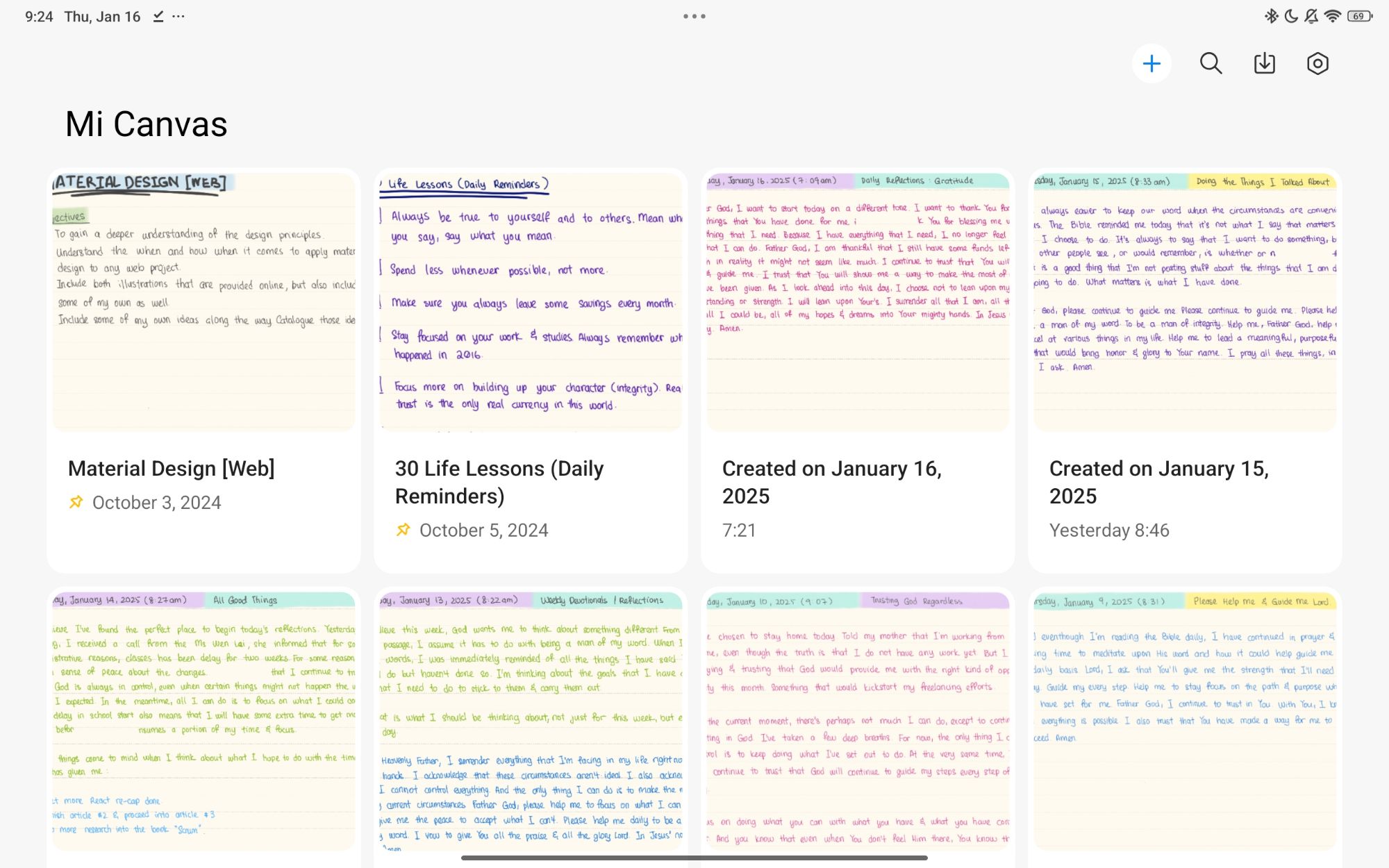
I have been keeping a private diary since I was 10 years old. As I got older, I also began to appreciate its usefulness daily. It always helps me to pen down my inner thoughts and feelings in a way that is honest and unfiltered. It is the sort of thing that I’ll probably never share publicly. For me, keeping a private diary is a form of release. Being able to put my thoughts down and reflect on them helps me to make sense of what is going through my mind. Even though I am already using the Bullet Journal Method to help me manage my ADHD, it is still not a replacement for keeping a detailed diary. Think of the BuJo as a way for me to outline my day. It’s a summary of sorts. In fact, I find that using BuJo helps me to keep track of everything that I’m feeling and thinking about during the day. I would often start writing in the morning, and then add another section in the evening.
Closing Thoughts
When it comes to dealing with our mental health challenges, I believe that it is important to understand that there is no such thing as a one-size-fits-all solution. What might work better for you may not necessarily work the same for someone else. And, it is important for us to find out what works for us and use those tools and techniques on a daily basis. Another fairly recent lesson that I’ve realized is that our coping mechanisms can change slightly with time. What might work really well for you in your 20s might not remain so in your 40s. So, it is really important for us to keep an open-mind to try new things too. Example: I never used to drink chamomile tea before bed. But in recent months, that is something that I’ve found to be quite effective, especially before bedtime.
What sort of coping mechanisms are you relying on at the moment? Have you recently experienced a change in how you cope with your mental health challenges? What was your experience like? Please share with me in the comments.

 Danny's